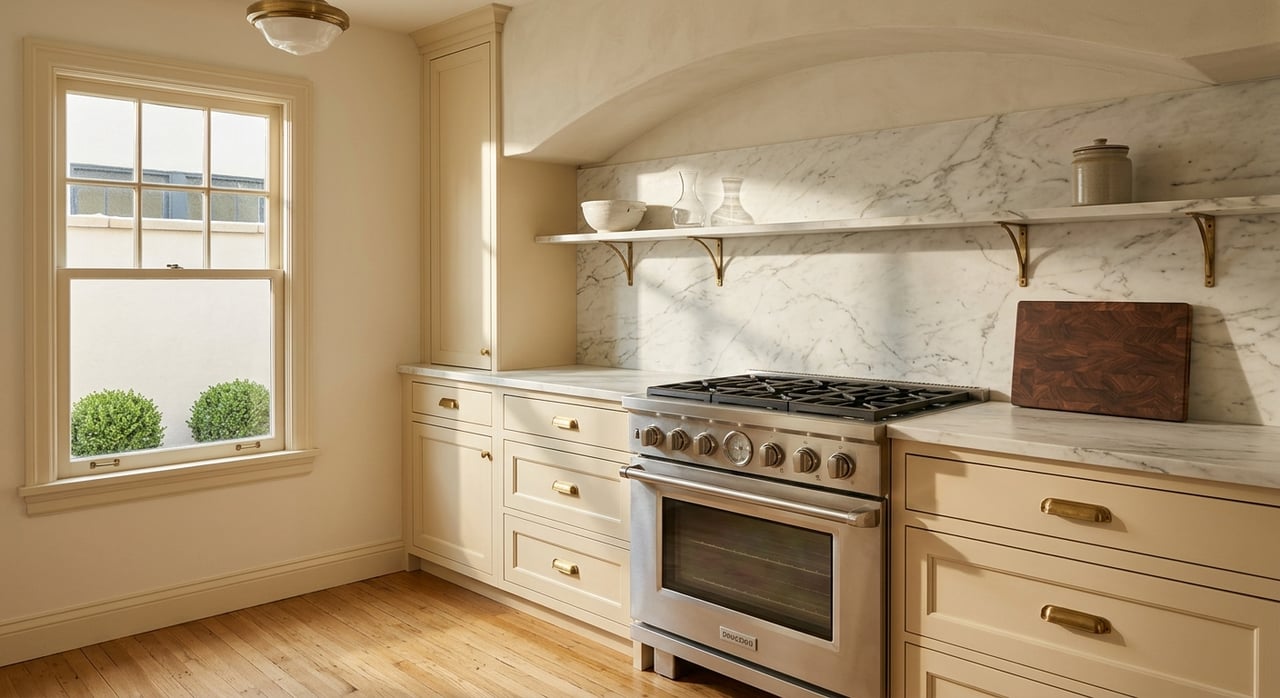
Selling a Hancock Park character home is not the same as selling a typical Los Angeles property. Buyers often want updated kitchens, baths, and systems, but they are also paying attention to the details that make these homes feel special in the first place. If you want to improve value without creating delays or mismatched finishes, it helps to know where to spend, where to hold back, and what may require review. Let’s dive in.
Why Hancock Park calls for a different plan
Hancock Park is a Historic Preservation Overlay Zone, or HPOZ, adopted by the City of Los Angeles in 2008. The district is known for two-story single-family homes in Period Revival styles, with deep setbacks, formal entries, side driveways, and rear garages.
That matters when you prepare to sell. In many neighborhoods, owners can chase value with bold exterior changes, but in Hancock Park, the street-facing look of the home and the broader streetscape carry real weight. A smart pre-listing strategy usually respects what buyers expect to see from the sidewalk while improving comfort and function inside.
Focus on updates buyers notice most
According to the 2025 Remodeling Impact Report, 46% of buyers are less willing to compromise on a home’s condition. The same report found that real estate professionals most often recommended painting the entire home, painting a room, and repairing or replacing roofing before sale.
For resale, several projects showed notable cost recovery:
- New steel front door: 100%
- New fiberglass front door: 80%
- New vinyl windows: 74%
- New wood windows: 71%
- Minor or complete kitchen remodel: 60%
- Bathroom renovation: 50%
In Hancock Park, the takeaway is not to over-remodel. It is usually better to choose a restrained refresh that improves condition, finish, and livability without stripping away original character.
Start with low-friction improvements
Many of the easiest pre-listing projects in Hancock Park are inside the home or outside in areas with limited visual impact. The preservation plan carves out exceptions for interior remodels, paint color, many landscape items, some exterior lighting, and rear-yard accessory work.
That makes a practical short list for sellers. If you want to improve presentation without inviting unnecessary review, begin with updates that freshen the home while leaving the street-facing architecture largely intact.
Smart pre-listing updates to consider
- Interior paint in a clean, cohesive palette
- Kitchen refreshes such as hardware, fixtures, countertops, or appliance replacement
- Bathroom refreshes such as lighting, mirrors, fixtures, or selective tile repair
- Front-yard cleanup and landscape maintenance
- Repair of worn finishes that make the home feel deferred
- Roof repair or replacement when needed
- Entry improvements that respect the original style of the home
These projects can help buyers feel the house has been well cared for. They also tend to support smoother marketing because the home shows well without raising questions about whether key details were altered too aggressively.
Preserve the details that define character
In Hancock Park, curb appeal is not just about neat landscaping or fresh paint. The preservation plan ties neighborhood character to raised front yards, brick or concrete steps, walkways, formal entries, mature landscaping, and the side-driveway and rear-garage pattern.
The homes themselves often feature style-specific details like diamond-paned or multi-over-one windows, steep or hipped roofs, tile roofing, stucco, brick, stone, and restrained ornament. These are the details buyers often notice first, even if they cannot name them.
Exterior elements worth protecting
- Original-looking roof shape, slope, and visible form
- Windows that match the home’s style and proportions
- Front steps and walkways
- Formal entry details
- Mature landscaping and overall streetscape presence
- Side driveway and rear-garage relationship where present
If something must be replaced, the preservation plan favors in-kind work that matches the original texture, composition, size, shape, and design. Roof work is especially sensitive because visible roofline changes should not alter the home’s slope, pitch, or shape.
Avoid updates that can hurt your resale plan
The biggest pre-sale mistake in a neighborhood like Hancock Park is spending heavily on changes that either erase character or create approval delays. A flashy exterior redo may look appealing in another part of Los Angeles, but here it can work against both buyer expectations and preservation rules.
Large additions can be especially complicated. The review criteria consider height, bulk, massing, lot coverage, orientation, parking, doors, windows, steps, fences, and setbacks. Additions that cumulatively increase existing square footage by 30% or more since HPOZ adoption trigger more formal review.
Updates to approach carefully
- Major street-facing facade changes
- Roofline alterations
- Window replacements that change style or proportions
- Oversized additions
- New exterior features that disrupt the original composition
- Structural floor-plan changes started without checking permit needs
For most sellers, the safer strategy is simple: modernize the inside, polish the presentation, and keep the visible exterior composition close to original.
Understand review and permit requirements early
Before starting work, it helps to separate two issues: historic review and building permits. They are related, but they are not the same thing.
All exterior work in Los Angeles HPOZs requires added review, and projects may fall under different approval paths such as COA, CCMP, CWC, or CWNC procedures. Hancock Park’s HPOZ resources also note that the board can serve as a technical resource and may suggest cost-effective ways to remodel while preserving character.
At the same time, the Los Angeles Department of Building and Safety requires permits for new construction, additions, alterations, demolition or removal, structural alterations, and interior floor-plan changes. So even if a project seems minor from a preservation standpoint, it may still require permit review if plumbing, electrical, or structural work is involved.
A practical rule of thumb
- If the work is exterior, assume you should check HPOZ review first.
- If the work changes structure, layout, plumbing, or electrical, assume you should check permit requirements too.
- If the project is larger, scope it before construction begins.
This step can save time and prevent expensive rework right before your listing goes live.
Plan for older-home safety issues
Many Hancock Park homes were built before 1978, which makes lead-safe planning important. If renovation, repair, or painting disturbs painted surfaces in most pre-1978 homes, the work should be performed by certified firms using lead-safe practices.
If you are selling most pre-1978 housing, you also must disclose known lead-based paint information and provide the required EPA pamphlet. For sellers, this is another reason to work with experienced professionals and not treat prep work as a last-minute project.
Build the right team before work begins
Character homes usually benefit from a more thoughtful prep process than newer homes. For larger projects, the City notes that consultations can help streamline approvals and save time and money.
That is why many sellers do best when they start with a preservation-minded architect or contractor for scope, then build the project team from there. A coordinated plan can align design choices, permit needs, HPOZ review, and listing timing before money is spent in the wrong places.
Match the update plan to your sale goals
Not every Hancock Park seller needs a full pre-listing remodel. Some homes benefit most from a light refresh and careful presentation. Others need more meaningful work to compete well, especially if kitchens, baths, or roof condition will stand out to buyers.
A good plan starts with your likely buyer, your timeline, and the current condition of the house. The goal is not to make a historic home feel generic. The goal is to present it as beautifully maintained, functional, and true to its architectural roots.
If you are preparing to sell a character home and want a clear plan for what to update first, Blanche D'Souza can help you evaluate the home, coordinate trusted prep resources, and map out a thoughtful listing strategy.
FAQs
What are the best updates before selling a Hancock Park character home?
- The safest high-impact updates are usually interior paint, selective kitchen and bath refreshes, roof repairs when needed, front-yard cleanup, and entry improvements that respect the home’s original style.
Do exterior changes on a Hancock Park home require review?
- Yes. Because Hancock Park is an HPOZ, all exterior work requires added review through the City’s preservation process.
Can I remodel a kitchen or bathroom in a Hancock Park HPOZ home before listing?
- Often yes. The Hancock Park preservation plan includes exceptions for interior remodels, but permit review may still apply if the work involves plumbing, electrical, structural changes, or floor-plan changes.
Should I replace original windows before selling a Hancock Park home?
- Only with care. Buyers value character details, and the preservation plan favors replacement that matches the original size, shape, texture, composition, and design.
Do Hancock Park sellers need permits for pre-listing improvements?
- Many projects do. In Los Angeles, permits are required for additions, alterations, structural work, demolition or removal, and interior floor-plan changes.
What should sellers know about lead paint in older Hancock Park homes?
- Many homes built before 1978 may involve lead-safe work requirements if painted surfaces are disturbed, and sellers of most pre-1978 housing must disclose known lead-based paint information.
Is a major addition a smart move before selling a Hancock Park property?
- Usually not as a quick resale project. Larger additions can trigger more formal review and may create extra cost, time, and approval risk compared with a focused refresh.