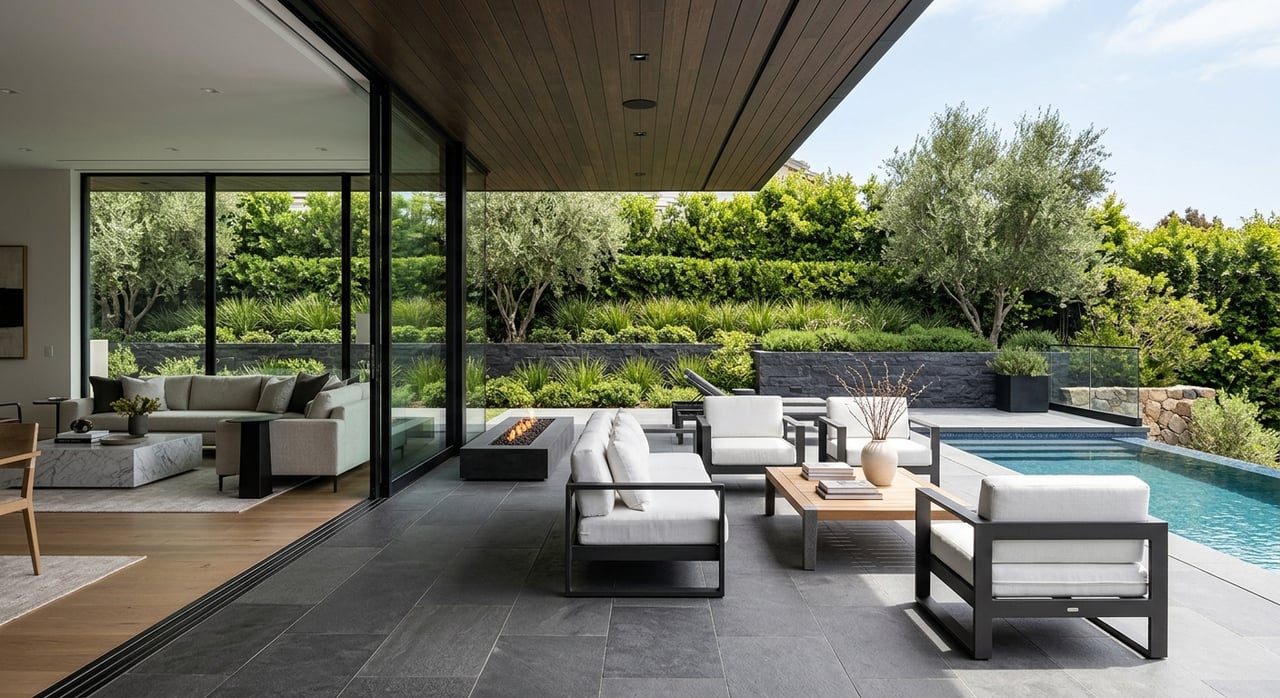
If you are preparing to sell a Bel Air estate, prestige alone is not enough to carry the listing. In a market where buyers often begin online and compare carefully, your home needs to feel polished, well-managed, and easy to trust from the very first photo. The good news is that with the right prep plan, you can improve presentation, protect privacy, and bring your property to market with more confidence. Let’s dive in.
Why preparation matters in Bel Air
Bel Air remains one of Los Angeles’ best-known luxury enclaves, but sellers still need strategy. According to Realtor.com’s Bel Air market overview, the area had a median listing price of $6.225M, 136 active listings, a median 50 days on market, and a 99% sale-to-list ratio, and it was classified as a buyer’s market.
That matters because buyers in this range usually have options. When inventory gives them room to compare, they tend to respond best to homes that feel move-in ready, visually compelling, and thoughtfully presented. In other words, a premium sale often comes from discipline, not just address.
Start with a smart pre-listing audit
Before you invest in upgrades, start by identifying what truly affects first impressions, inspections, and photography. The goal is not to overhaul everything. It is to remove distractions, address visible maintenance issues, and make the home feel cared for.
The most practical place to begin is with the basics. In the 2025 NAR staging report, the most common recommendations to sellers were decluttering, cleaning the entire home, and improving curb appeal.
Focus on repairs buyers will notice
Selective repairs usually outperform broad cosmetic spending. If something looks deferred, worn, or unreliable, buyers may assume there are larger issues behind the walls. That can soften offers or extend your market time.
For many Bel Air estates, a useful pre-listing checklist includes:
- Roof and gutter condition
- Drainage and water flow issues
- Exterior paint and finishes
- Entry gates and hardware
- Interior and exterior lighting
- Landscaping and general grounds maintenance
- Pool and outdoor entertaining areas
- Visible safety or maintenance concerns
These are the kinds of items that tend to show up in listing photos, buyer walk-throughs, and inspections. Cleaning them up early helps your home present as well-maintained and easier to purchase.
Don’t overlook wildfire readiness
For hillside properties, wildfire prep is part of market readiness. The Los Angeles Fire Department states that brush clearance is a year-round responsibility and may need attention more than once a year. If you cannot handle the work yourself, LAFD advises hiring a professional.
CAL FIRE also emphasizes both home hardening and defensible space. That includes fire-resistant materials, safer landscaping practices, and maintaining space around the home. For sellers, this type of prep does more than support safety. It also signals responsible ownership.
Prepare the home for a digital-first buyer
Luxury buyers may arrive by private appointment, but many start online. That makes your digital presentation one of the most important parts of the sale.
According to the 2025 NAR generational trends report, buyers’ first step is looking online, the median home search lasts 10 weeks, buyers view a median of seven homes, and 51% found the home they purchased on the internet. The same report found that photos were especially useful during the search process.
Make every image count
In this environment, buyers often form an opinion before they ever request a showing. If your photos reveal clutter, unfinished maintenance, weak lighting, or inconsistent styling, those details can limit momentum right away.
That is why premium-sale preparation should happen before media day, not after. Your estate should be photo-ready from the arrival sequence to the primary suite, with clean sightlines, balanced lighting, and a clear visual story.
Highlight the rooms that matter most
The NAR staging survey found that the most commonly staged spaces were the living room, primary bedroom, dining room, and kitchen. Those rooms tend to shape the emotional response buyers have to a home.
In a Bel Air estate, you should also pay close attention to the spaces that define the lifestyle of the property, such as:
- The entry and arrival experience
- Main entertaining rooms
- The primary suite
- Chef’s kitchen and breakfast area
- Pool and outdoor lounge areas
- Guest accommodations
- Fitness, wellness, or media spaces
- Wine storage or other signature amenities
These spaces help buyers understand what makes the home distinct. They should feel intentional, open, and easy to imagine using.
Decide how much staging you really need
One of the most common seller questions is whether full staging is worth it when the house is already furnished. The answer depends on how well the current furnishings support the home’s architecture, scale, and flow.
Staging does not always mean replacing everything. Sometimes it means editing what is already there, removing overly personal items, improving layout, and adding a few pieces that help rooms photograph better and feel more finished.
Why staging can pay off
The 2025 NAR staging report found that 29% of agents said staged homes saw a 1% to 10% increase in dollar value offered, and 49% said staging reduced time on market. Buyers’ agents also reported that photos, physical staging, videos, and virtual tours all played an important role in the search process.
That does not mean every room needs a full redesign. It means presentation affects both urgency and perceived value. In many luxury homes, a refined partial stage or thoughtful styling plan is enough to create that lift.
Build a privacy-first showing plan
Bel Air sellers often care as much about discretion as they do about price. The challenge is to protect privacy without limiting serious buyer exposure.
A strong plan can do both. The NAR consumer guide on privacy and safety recommends putting away family photos, calendars, mail, computer logins, Wi-Fi passwords, and sensitive documents. It also advises securing jewelry, firearms, and medications, discouraging unapproved photography, and using an electronic lockbox that records who enters and when.
Keep access controlled, not chaotic
Luxury showings should feel calm and organized. You want buyers to experience the home, not the logistics behind it.
That usually means agent-managed access, a clear approval process, and a transition from active prep work to controlled showing mode. When done well, you can still benefit from broad exposure through the MLS and marketing assets while keeping the in-person showing experience more private and structured.
Use a concierge-style prep process
Preparing a large estate can feel overwhelming if you treat every task separately. It becomes much easier when the process is run like a managed project.
That means coordinating vendors in the right order so the home moves smoothly from repairs to cleaning to staging to photography to showings. For many sellers, this is where a hands-on advisor adds real value.
What a concierge vendor team can handle
Depending on the property’s needs, a coordinated prep plan may include:
- Repair trades
- Deep cleaning
- Landscaping and brush clearance
- Staging and design support
- Photography and video scheduling
- Showing access coordination
- Final touch-ups before launch
This kind of sequence reduces stress and helps avoid expensive rework. It also creates a more consistent result, which matters when your buyer is evaluating every detail.
For sellers who want to improve presentation without managing every invoice and vendor personally, Blanche D’Souza can also guide you through broker-backed options such as Compass Concierge as part of a thoughtful pre-listing strategy.
A practical approach to premium sale prep
If you are wondering how much to repair versus what to leave for the buyer, the simplest answer is this: address what affects trust, presentation, and ease of ownership. Buyers may accept personal design preferences they want to change later. They are less forgiving about visible maintenance, weak presentation, or signs that the property has not been consistently cared for.
In Bel Air, the best results usually come from a measured plan. Clean thoroughly, declutter carefully, improve curb appeal, address visible issues, create strong marketing assets, and put privacy safeguards in place before the first showing is scheduled.
Selling a Bel Air estate should not feel like a scramble. With the right guidance, it can be a calm, well-orchestrated process that protects your time, your privacy, and your positioning in the market. If you are considering a sale and want a steady, hands-on plan for preparation, marketing, and launch, connect with Blanche D'Souza.
FAQs
What should you repair before listing a Bel Air estate?
- Focus first on visible maintenance, safety concerns, exterior presentation, drainage, lighting, gates, landscaping, and any issues likely to stand out in photos or inspections.
Is staging worth it for a furnished luxury home in Bel Air?
- Yes, in many cases staging or styling still helps because it improves layout, photography, and buyer perception, even when some existing furnishings remain in place.
How can you keep Bel Air showings private while still reaching buyers?
- Use a privacy-minded plan that combines broad online exposure through listing media with agent-managed access, secured personal items, and controlled showing procedures.
Why does online presentation matter when selling a Bel Air estate?
- Buyers often begin their search online, and strong photos, detailed property information, video, and virtual-tour assets can shape whether they decide to visit in person.
What does a concierge-style pre-sale process include for a Bel Air home?
- It typically includes coordinating repairs, cleaning, landscaping, staging, media preparation, and showing logistics in a clear sequence so the home is launch-ready with less disruption.