Wondering if buying a historic Hancock Park home means signing up for charm, surprises, and a stack of red tape? In many cases, it can mean all three. If you love the architecture and presence of these homes, you also need a clear plan for inspections, preservation rules, and future costs. This guide will help you understand what to look for, what to verify, and how to move forward with more confidence. Let’s dive in.
Why Hancock Park homes stand apart
Hancock Park was developed in the 1920s with large lots and substantial single-family homes. The City of Los Angeles describes the neighborhood as having formal site planning, two-story homes, side driveways, and rear garages that are often reached through a porte cochere.
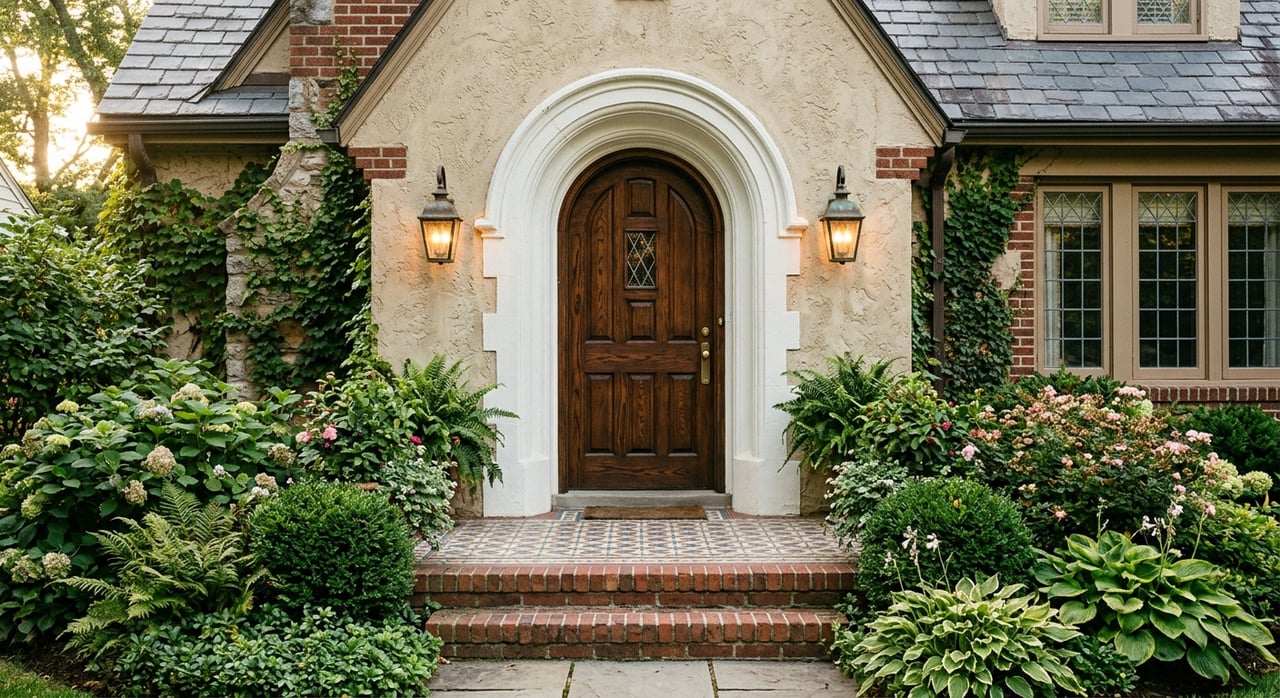
The area is especially known for Tudor Revival, English Revival, Spanish Colonial Revival, Mediterranean Revival, Monterey Revival, and American Colonial Revival homes. In practice, that means many properties are valued not just for square footage, but for their architectural character and how they sit on the lot.
In Hancock Park, historic character includes more than the house itself. Front yards, mature trees, retaining walls, stairs, paths, and the relationship of the home to the street are all part of what gives the property its historic identity.
What the HPOZ means for buyers
Hancock Park is a local historic district, also called an HPOZ. That status adds an extra layer of planning review for exterior work, including alterations, additions, landscaping, and new construction.
One important point for buyers is that exterior work may need HPOZ review even when a building permit is not required. If past work was done without review, the property could face code enforcement issues or fines.
Before you buy, confirm the parcel’s HPOZ status and check whether the house, landscape, or site features are considered contributing in the Historic Resources Survey and ZIMAS. That step can shape both your renovation plans and your timeline.
How review timelines can affect your plans
Not every project goes through the same process. According to the City’s HPOZ instructions, some work such as maintenance, repair, restoration, re-roofing, stucco maintenance, landscape work, and some window work may be handled through administrative clearance.
Larger additions, demolition, or removal of historic features generally require a more involved review. The City’s process guide notes that some review paths can take up to 75 days before appeal, so it is wise to factor that timing in early if you plan exterior changes soon after closing.
Why move-in ready may not mean project ready
A house can appear beautifully updated and still present review issues. If you hope to replace windows, rework the front yard, modify stucco, alter the roof, or add square footage, you should assume that historic review may be part of the process until you verify otherwise.
That is why a pre-consultation with the HPOZ planner can be valuable before you finalize design ideas. It helps you understand whether your plans are likely to be staff-clearable or need a more formal entitlement review.
What gives these homes their historic feel
Hancock Park homes often have steep or varied rooflines, formal entries, masonry or stucco exteriors, original window proportions, porches or balconies, and a strong street-facing composition. These are not minor details. They are part of how the house reads historically from the street.
Because of that, later changes can matter more than buyers expect. Porch enclosures, mismatched replacement windows, new siding, altered roof forms, or visible changes to front landscaping can affect both the look of the home and the likely path for future approvals.
The Preservation Plan also emphasizes historically appropriate repair and maintenance. If you are comparing two homes, one with intact original details and one with years of mixed remodeling, the second may carry more uncertainty even if the interiors look newer.
Key inspection issues to take seriously
Historic homes can be incredibly rewarding to own, but they call for careful due diligence. In Hancock Park, the smartest buyers tend to look past cosmetic updates and focus first on water, structure, systems, and prior exterior changes.
Moisture and drainage concerns
Moisture is one of the biggest risks in older homes. Inspection should focus on roofs, gutters, downspouts, flashing, windows, doors, masonry openings, and plumbing or mechanical systems, since these are all common paths for water entry.
Warning signs can include stained finishes, damaged plaster, deterioration around openings, and hidden issues behind later materials. In Hancock Park, that matters even more because the Preservation Plan notes that stucco over original materials or synthetic cladding can conceal moisture or termite damage.
Roof and stucco review
Roofs deserve close attention in period homes. A roof can be functional but still create preservation concerns if repairs change the visible roof form, chimney details, dormers, or tile pattern.
Stucco also needs a careful look. The Preservation Plan says stucco texture should match the original, so repairs that seem simple on another home may require more thoughtful treatment here.
Masonry and structural movement
If a property has brick, stone, or mixed masonry elements, look closely for cracking, spalling, bowing, leaning, and mortar deterioration. These conditions can point to settlement, moisture movement, roof thrust, or support issues around openings.
That makes foundation review especially important. A house may still be livable and appealing, but structural repairs can be expensive and may overlap with preservation considerations depending on the visible exterior work involved.
Windows and past remodels
Historic windows are often better candidates for repair than replacement. National Park Service guidance says replacement should match the original in size, shape, pane arrangement, materials, hardware, and profile when replacement is necessary.
For buyers, the practical issue is cost and complexity. If a prior owner installed mismatched windows, enclosed a porch, or made other exterior changes that do not fit the home’s original design, you may be looking at both restoration expense and HPOZ review if you want to correct them.
Electrical, plumbing, HVAC, and lead
Older homes often need extra attention behind the walls. Electrical malfunction is a common fire risk in historic structures, and older plumbing or HVAC systems can leak or create condensation that damages finishes.
If the home was built before 1978, lead-based paint should also be part of your due diligence. EPA guidance notes that deteriorating paint and renovation dust can create health hazards, and paid renovation work that disturbs painted surfaces in pre-1978 homes must follow lead-safe rules.
Restoration or renovation?
Many buyers love the idea of updating a historic house, but the right approach depends on your goals. The National Park Service distinguishes between preservation, rehabilitation, and restoration.
Preservation focuses on maintaining and repairing historic materials. Rehabilitation allows changes needed for ongoing use while still protecting character-defining features. Restoration is the more exacting path, aiming to show the house as it appeared during a selected period.
For many Hancock Park buyers, rehabilitation is often the most practical fit. It usually offers room to improve comfort and function while respecting the home’s architectural identity.
Tax and cost questions to model early
Historic homes can come with financial opportunities, but also a few common misconceptions. One of the most important is property taxes.
Mills Act potential
Los Angeles identifies the Mills Act as the City’s main financial incentive for historic preservation. It can offer a potential property tax reduction for owners of Historic-Cultural Monuments and contributing HPOZ properties.
For single-family residences, the current City threshold is $1.5 million. Properties above that limit require an exemption application and an Historic Structure Report. Mills Act contracts run on a 10-year cycle, renew automatically each year, transfer to new owners upon sale, and are monitored through periodic inspections.
Savings vary, and annual taxes can still rise slightly. That means you should treat the Mills Act as a possible benefit to evaluate carefully, not an automatic discount.
Supplemental taxes after purchase
In California, a change in ownership generally triggers reassessment. That can lead to supplemental tax bills in addition to the regular annual property tax bill.
If you are budgeting for a Hancock Park purchase, do not assume the seller’s current tax bill will carry over. Model your likely post-closing taxes and carrying costs before you finalize your offer strategy.
A common federal tax credit myth
Some buyers assume a historic home automatically qualifies for the federal 20 percent historic rehabilitation credit. That is not the case for a personal residence.
According to IRS and National Park Service guidance, that credit applies to income-producing property, not a primary home used only as a personal residence. If that credit is central to your plans, verify your use case carefully before relying on it.
A smart due diligence checklist
If you want to buy a Hancock Park historic home with confidence, keep your process focused and practical. Start with the items that affect risk, timing, and future flexibility.
- Confirm HPOZ status and whether the house, landscape, or site features are contributing in the Historic Resources Survey and ZIMAS.
- Review permit history and ask for HPOZ clearances or approvals for prior exterior work, especially windows, stucco, roofing, additions, fencing, hardscape, and landscaping.
- Hire inspectors and trade specialists familiar with historic masonry, roofs, plumbing, electrical systems, and lead-safe work practices.
- Look closely for roof leaks, drainage issues, failed stucco, masonry cracks, deferred window repair, and hidden moisture damage.
- If you plan exterior changes, speak with the HPOZ planner before finalizing design documents.
- Ask whether the property already has a Mills Act contract and model both possible savings and reassessment-driven tax changes.
- For any pre-1978 home, obtain the required lead disclosure information and plan for lead-safe renovation methods if painted surfaces will be disturbed.
Confidence comes from preparation
Buying in Hancock Park is not just about finding a beautiful house. It is about understanding the responsibilities that come with historic ownership and making sure the property fits your plans, your timeline, and your budget.
When you approach the process with the right inspections, documentation, and local guidance, these homes become far less intimidating. You can appreciate the architecture, protect your investment, and make decisions with much more clarity.
If you are considering a historic home in Hancock Park and want a steady, detail-oriented advisor to help you evaluate the opportunity, connect with Blanche D'Souza for thoughtful guidance tailored to your goals.
FAQs
What does HPOZ mean for a Hancock Park homebuyer?
- HPOZ means the property is in a local historic district where exterior work may need additional City review, even when a building permit is not required.
What should you inspect first in a Hancock Park historic home?
- Focus early on moisture, roofing, drainage, stucco, masonry movement, windows, electrical, plumbing, HVAC, and any signs of unapproved exterior remodeling.
Can you replace windows in a Hancock Park historic home?
- Possibly, but window work may require HPOZ review, and replacement is generally expected to match historic size, shape, materials, and visual proportions when replacement is necessary.
Can a Hancock Park home qualify for the Mills Act?
- Some contributing HPOZ properties may qualify, and the program can offer a potential property tax reduction, but eligibility and savings vary.
Will property taxes stay the same after you buy a Hancock Park home?
- Usually not, because a change in ownership in California generally triggers reassessment and can also result in supplemental tax bills.
Do Hancock Park historic homes qualify for the federal historic rehab tax credit?
- Not automatically, and a personal residence generally does not qualify because the federal credit is for income-producing property.